Steel, Smoke, and Suds: How Rust Belt Cities Are Reinventing Themselves One Taproom at a Time
Youngstown, Ohio doesn't look like a beer destination. Not at first, anyway. Drive through the downtown corridor and you'll still see the scars — vacant lots, boarded storefronts, the skeletal remains of a steel economy that walked out the door sometime around 1977. But pull up to Hoppin' Frog or any of the newer operations that have set up shop in repurposed industrial spaces nearby, and suddenly the city feels like it's exhaling for the first time in decades.
This isn't just a Youngstown story. From Pittsburgh to Detroit, from Gary, Indiana to Bethlehem, Pennsylvania, craft breweries have become unlikely anchors in communities that spent years watching their economic foundations rust away. The pattern is consistent enough that it's hard to dismiss as coincidence: a brewer shows up, converts a forgotten space, and something starts to shift.
The Factory as Taproom
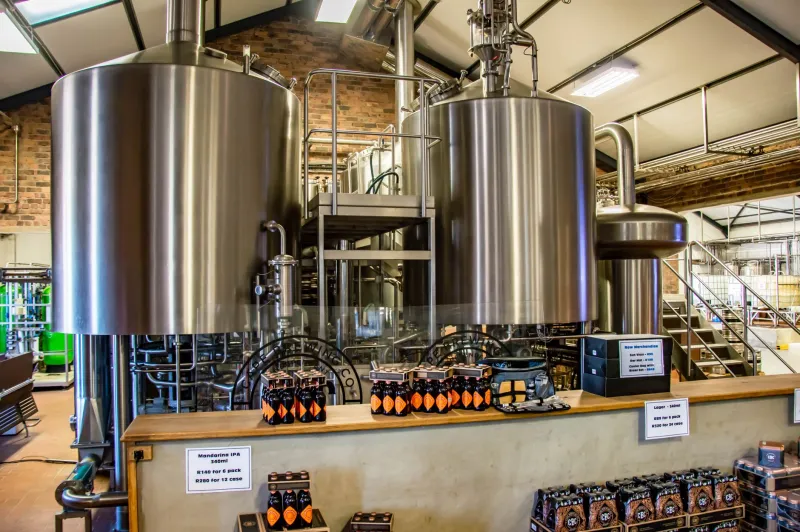
There's a reason so many Rust Belt breweries feel different from their coastal counterparts. When you're building a taproom inside a former machine shop, you don't have to manufacture an aesthetic — it's already there. Exposed brick, original timber beams, old loading dock doors repurposed as garage-style entrances. The industrial heritage isn't something these spaces are trying to evoke. It's just what's left.
In Bethlehem, Pennsylvania — a city that watched Bethlehem Steel collapse in spectacular fashion — Fegley's Brew Works has been operating out of a building that once served the steel industry for years. The taproom sits in the shadow of the old blast furnaces, which are now a designated historic site. Visitors come to see the ruins, and then they walk next door for a pint. It's an unlikely tourism circuit, but it works.
Brewers in these cities tend to be deliberate about the connection. They name beers after local landmarks, old industries, and neighborhood histories. They hang vintage photographs on the walls. They hire local. The brewery becomes a kind of living museum — one that serves cold beer.
Young People, Old Cities
Ask brewery owners in Rust Belt cities what surprised them most about opening up shop, and a lot of them will tell you the same thing: the young people came back.
Not in massive waves, but enough to notice. Remote work has made geography more flexible than it's been in generations, and a growing number of younger Americans are discovering that cities like Cleveland, Buffalo, and Pittsburgh offer something that Brooklyn and Austin can't — affordability, space, and a genuine sense of community that hasn't been sanded down by gentrification.
Breweries are part of what makes those cities legible to that demographic. They're third spaces — not home, not work, but somewhere you can show up on a Tuesday night and actually talk to your neighbors. In communities that have struggled to retain younger residents for decades, that's not a small thing.
Detroit's brewing scene has become something of a case study in this dynamic. The city that became a national symbol of urban decline now has a craft beer culture that draws visitors from across the Midwest. Founders Brewing, based in Grand Rapids, helped put Michigan on the beer map nationally. Closer to the city itself, operations like Atwater Brewery have made a point of embedding themselves in Detroit's neighborhoods rather than just capitalizing on the downtown revival.
The Tourism Nobody Saw Coming
Here's something the economic development consultants didn't put in their reports: brewery tourism is real, and it's hitting Rust Belt cities in ways that feel almost surreal given their recent histories.
Youngstown, Akron, Erie, Scranton — these aren't cities that historically appeared on anyone's vacation shortlist. But beer travelers are a specific and motivated bunch. They'll drive three hours for a taproom they read about online. They'll plan a weekend around a brewery trail. And when they show up in a city like Johnstown, Pennsylvania, they don't just drink beer — they eat at local restaurants, stay at local hotels, and sometimes come back.
Pennsylvania has leaned into this hard. The state's Brew Trail program has helped connect breweries across regions, and the Rust Belt corridor — Allentown, Bethlehem, Easton — has emerged as a legitimate destination for beer-focused weekend trips from Philadelphia and New York.
The economic multiplier effect is real, even if it's modest. A taproom that employs fifteen people directly might support another ten jobs at local suppliers, food vendors, and nearby businesses. In a city that's been losing population for forty years, that math matters.
Honoring What Came Before
What distinguishes the best of these brewery projects from generic urban development is the attention to memory. These aren't spaces trying to erase their industrial pasts. They're in conversation with them.
In Pittsburgh, the brewing revival has been particularly self-aware. The city has a deep beer history — Iron City Beer was a regional institution for over a century — and newer craft operations have found ways to acknowledge that lineage without being trapped by it. There's a respect for the working-class culture that built these cities, and at their best, the taprooms reflect it.
That's the thing about brewing as an industry that makes it fit so naturally in these places. It's physical work. It requires skilled labor. It produces something tangible. For cities built around making things, a brewery isn't a departure from identity — it's a continuation of it.
The steel is gone. The foundries are quiet. But the people are still here, and they're still building. They're just building something you can drink now.