Small Batch, Big Flavor: The Artisan Suppliers Quietly Changing What Ends Up in Your Glass
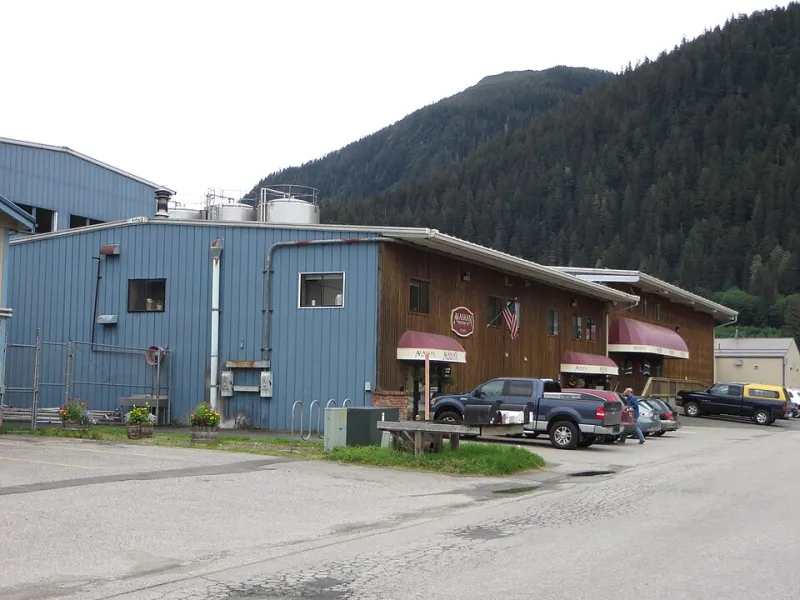
The road to Riverbend Malt House in Asheville, North Carolina winds through the kind of mountain scenery that makes you want to pull over every quarter mile. The facility itself is modest — a converted industrial space that smells like grain and possibility — but what's happening inside is quietly influencing beers being poured hundreds of miles away.
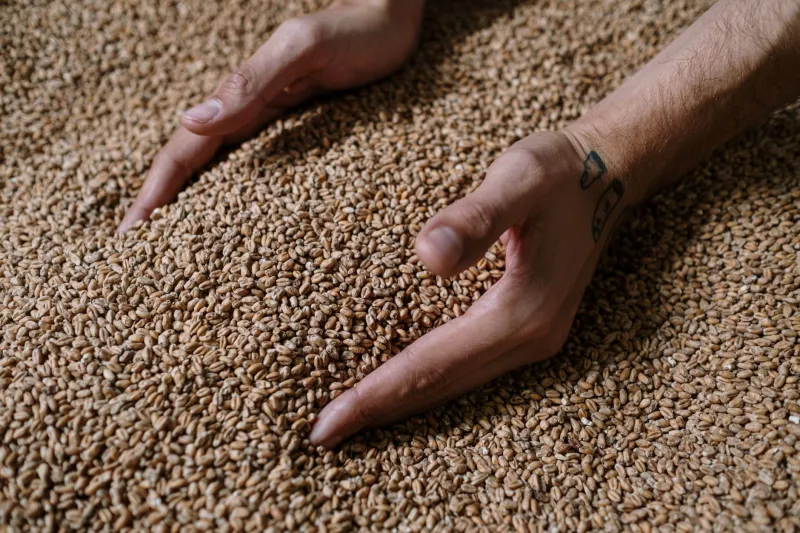
Riverbend is one of a growing number of regional micro-maltsters who've built their businesses on a simple premise: if you source heritage grain from local farms, malt it in small batches, and deliver it to breweries within a few hundred miles, you can offer something that no national bulk supplier ever could. Not just freshness, though that matters. Specificity. A malt that carries the particular character of a specific grain variety, grown in specific soil, processed by people who know the brewer by name.
For the breweries sourcing from operations like this, it's changed not just the flavor of their beer but the entire way they think about ingredient sourcing.
The Problem with Bulk
To understand why the micro-supplier movement matters, it helps to understand what most breweries have been working with for the past few decades. The conventional supply chain for craft brewing runs through a handful of large distributors who aggregate ingredients from large-scale producers. It's efficient, it's reliable, and it's designed to deliver consistent, standardized products that behave predictably in a commercial brewing environment.
For breweries trying to make beer that tastes exactly like other beer, this is great. For breweries trying to make something genuinely distinctive, it's a ceiling.
"When everyone's pulling from the same base malt inventory, you can do a lot with your process, but you're starting from the same place," says one Vermont brewer who shifted a significant portion of his grain sourcing to a local micro-maltster two years ago. "The floor of what's possible is the same for everybody. Working with a small-batch maltster moves your floor."
The same logic applies to hops, yeast, and the growing category of specialty and foraged adjuncts that brewers are incorporating into their recipes.
The Yeast Underground
Of all the micro-supplier categories, boutique yeast labs might be the most underappreciated from a drinker's perspective. Yeast is the organism that actually makes beer — it consumes sugars and produces alcohol, carbon dioxide, and a cascade of flavor compounds that fundamentally define what a beer tastes like. The difference between two otherwise identical recipes fermented with different yeast strains can be dramatic.
For years, most craft breweries sourced their yeast from a small number of large commercial labs that offered a catalog of reliable, well-documented strains. That catalog is extensive, but it's the same catalog available to everyone. The flavor profiles it enables are genuinely diverse, but they're a known quantity.
A new generation of small yeast labs — some operating out of spaces that are barely larger than a well-equipped home kitchen — is changing that. These operations specialize in isolating and propagating unusual strains: wild-captured yeasts from specific geographic locations, heritage strains recovered from historical brewing operations, experimental isolates developed in partnership with individual breweries. Some of them work exclusively with a handful of brewery clients. A few operate more like research collaborators than commercial suppliers.
"We sent them a piece of fruit from a tree on our property," recalls one Pacific Northwest brewer who's been working with a boutique yeast lab in Oregon. "They isolated a wild strain from it, characterized it, propagated it, and now we have a house yeast that literally doesn't exist anywhere else. That's not something you get from a catalog."
Hop Breeders Off the Beaten Path
The hop industry has its own version of this story. Most commercial hops are produced by large-scale agricultural operations in the Pacific Northwest — Yakima Valley in Washington and the Willamette Valley in Oregon account for the vast majority of US production. The varieties available through conventional distribution are well-documented, widely used, and increasingly familiar to anyone who's been drinking craft beer for more than a few years.
But there's a growing network of small-scale hop breeders and experimental growers producing varieties that never make it into the mainstream supply chain. Some are working with experimental cultivars from university breeding programs that haven't yet been approved for commercial release. Others are growing heritage varieties that fell out of commercial favor decades ago but retain flavor characteristics that brewers find compelling. A few are doing genuinely original breeding work, developing new varieties specifically in response to requests from brewer partners.
Accessing these hops typically requires a direct relationship with the grower — the kind of relationship that gets built at agricultural conferences, through mutual introductions in the brewing community, or occasionally through a brewer just cold-calling a farm they read about online.
"You can't just order these on a website," says a Colorado brewer who's been sourcing experimental hops from a small Idaho grower for the past three seasons. "You have to know somebody, or be willing to reach out to a stranger and explain what you're trying to do. But when it works, you end up with something that nobody else has."
The Foraged Frontier
Perhaps the most striking corner of the micro-supplier ecosystem is the emerging network of professional foragers and small-scale ingredient harvesters who are supplying breweries with components that don't exist in any commercial catalog at all. Spruce tips from specific mountain elevations. Wild honey from hives kept in a particular meadow. Botanicals harvested at a specific point in their seasonal cycle. Pine pollen. Mushrooms. Edible flowers with flavor profiles that no cultivated variety can match.
This category is genuinely new, and the supply chains supporting it are still being invented. Some breweries work directly with individual foragers who know their local landscape well enough to reliably source specific ingredients in consistent quantities. Others have developed relationships with small farms that are willing to grow unusual botanical varieties on contract. A few have gone so far as to hire their own dedicated foragers as part of their production team.
The beers that result from this kind of sourcing are genuinely hard to categorize. They taste like somewhere specific. They taste like a particular season. They taste like the decision someone made to drive a van into the mountains and come back with something interesting.
A Different Kind of Supply Chain
What ties all of this together is a shift in how breweries think about their ingredient relationships. The conventional supply chain is transactional: you order a commodity, it arrives, you use it, you order more. The micro-supplier model is relational. You know the maltster's name. You know which farm the grain came from. You know what the yeast lab found interesting about the strain they isolated for you.
That relational dimension has practical consequences — more communication, more flexibility, more shared problem-solving when something doesn't behave as expected. But it also has a flavor consequence that ends up in the glass. Beer made from ingredients sourced this way carries a kind of specificity that's hard to fake and impossible to achieve through conventional channels.
It tastes like someone cared about every single thing that went into it. Which, increasingly, is exactly what happened.