Who's Going to Pour Your Next Pint? The Staffing Crisis Quietly Reshaping Craft Beer
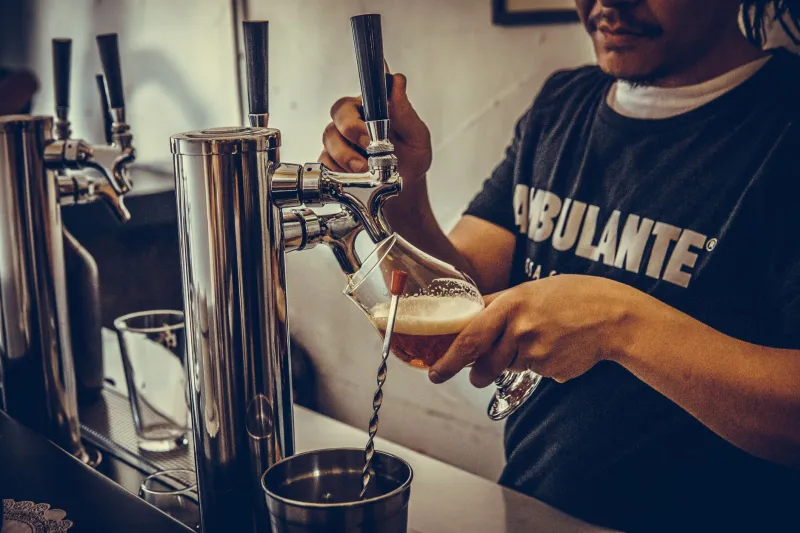
The taproom is packed on a Saturday afternoon. The taps are flowing, the music is right, and there's a line at the bar three people deep. Behind the counter, one bartender is moving fast, doing the work of two, smiling through what is clearly a controlled scramble. In the back, the brewing team is running a skeleton crew through a double batch. Somewhere between the fermentation tanks and the canning line, a job posting has been live for six weeks with no serious applicants.
This is the quiet reality inside a lot of American craft breweries right now. The industry's growth story — more than 9,000 breweries operating across the country as of the last Brewers Association count — has a shadow side that doesn't make it onto the taproom chalkboard. Staffing is a genuine crisis, and it's hitting small independent operations hardest.
The Burnout Behind the Bar
The problems started piling up during the pandemic and never fully unwound. Hospitality workers left the industry in large numbers between 2020 and 2022, and a significant chunk of them didn't come back. The craft beer world, which had always run lean on labor, found itself even leaner.
But it's not just a numbers problem. The people who stayed — the production brewers, the taproom managers, the cellar workers — absorbed the workload of the people who left. Burnout in the craft beer industry has become a serious conversation in trade circles, even if it rarely surfaces in public-facing brewery content.
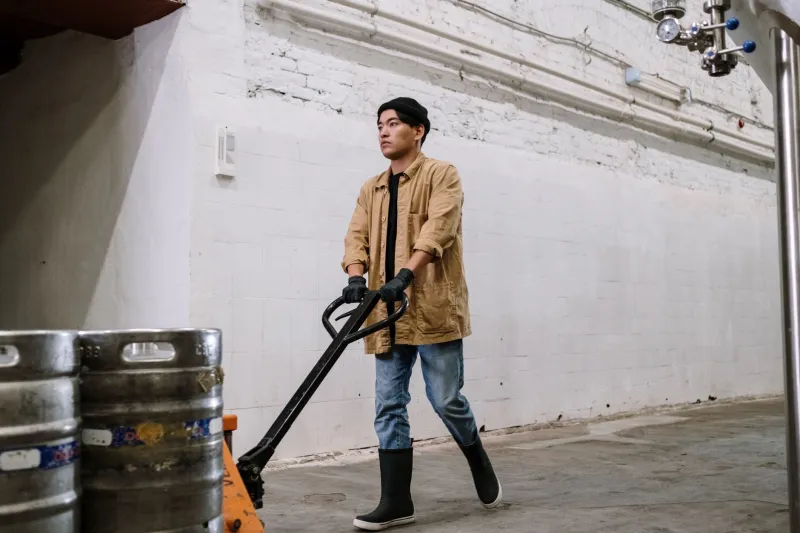
Production brewing is physical work. Lifting kegs, cleaning tanks, managing fermentation schedules — it's not glamorous, and the pay has historically reflected the passion-project nature of the industry rather than the actual physical demands. Entry-level production roles at many small breweries still pay in the low-to-mid $30,000s annually, which in 2024 doesn't go as far as it once did in most American cities.
Front-of-house is a different set of problems. Taproom bartending attracts people who love beer, but the tipped wage model that most breweries rely on creates income instability that makes it hard to treat the job as a long-term career. Turnover in taproom staff runs high at most operations, and every departing employee takes institutional knowledge with them.
The Wage Pressure Conversation
Brewery owners are caught in a genuinely uncomfortable position. Their customers expect craft beer at prices that reflect the boutique nature of the product, but not prices that reflect what it actually costs to pay competitive wages in 2024. The margin between a $7 pint and a sustainable wage structure is thinner than most people realize.
Some breweries have responded by raising prices, which works until it doesn't — there's a ceiling on what taproom customers will pay before they start doing the math and heading to the liquor store instead. Others have started restructuring compensation more creatively: profit-sharing arrangements, equity stakes for long-term employees, benefits packages that compete with corporate employers.
The breweries that are figuring this out tend to share a common trait: they've stopped treating labor as a variable cost to be minimized and started treating it as a core investment. That's a meaningful philosophical shift in an industry that has historically run on the labor of people who wanted to be there badly enough to accept below-market pay.
The Automation Question
For production-side work, automation offers a partial answer — and a complicated set of trade-offs. Automated canning lines, automated cleaning systems, and data-driven fermentation monitoring can reduce the physical labor burden significantly. But the upfront capital costs are steep, and for a 5-barrel operation trying to make payroll every two weeks, a $200,000 canning line isn't a realistic near-term option.
Larger regional craft breweries have more flexibility here, and some of them are pulling away from smaller competitors partly on the strength of their automation investments. That's a structural advantage that compounds over time — lower labor costs mean more margin to reinvest, which means more automation, which means lower labor costs.
For the small independent breweries that form the backbone of America's craft beer culture, this creates a difficult choice: stay small and personal, or grow enough to automate, or accept that the economics may eventually force a sale.
Acquisition as Exit Strategy
That last option is increasingly on the table. Large beer conglomerates and private equity-backed regional breweries have been circling the small craft space for years, and staffing pressure is accelerating the acquisition math for some owners.
When you're 55 years old, you've built something you're proud of, and you can't find a production brewer willing to work for what your margins allow — a buyout starts to look different than it did when you opened. The buyer gets the brand equity and the customer base. The seller gets an exit from a labor market that has become genuinely exhausting to navigate.
This is how the industry consolidates, quietly and without fanfare. Not through dramatic failures, but through the slow arithmetic of a business that's harder to run than it used to be.
What Survival Looks Like
The breweries that are threading this needle tend to be doing a few things differently. They're investing in training programs that give employees a visible path forward rather than a static job. They're building cultures where people actually want to stay — which sounds obvious but is harder than it sounds in a high-pressure, physically demanding work environment. They're being transparent with their communities about what it costs to make beer the way they make it.
Some are getting creative about scheduling and staffing models, pulling from the gig economy playbook to build flexible front-of-house teams that supplement a stable core crew. Others are leaning harder into events and experiences that generate revenue without requiring the same labor intensity as a full-time taproom operation.
None of it is a clean solution. But the breweries working through it honestly — talking to their employees, adjusting their models, and making the hard calls about pricing and scale — are the ones most likely to still be pouring in five years.
The beer is still good. The people making it are just tired. And figuring out how to fix that is the most important problem in craft beer right now.