Funky and Proud: Inside the Breweries Betting Everything on Sour Beer
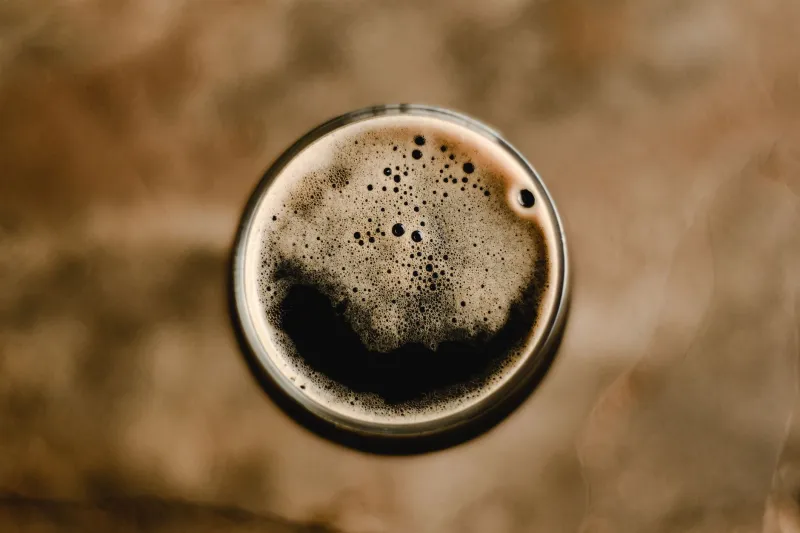
There's a moment, usually somewhere around the second sip, when a first-time sour beer drinker either leans in or pushes the glass away. That sharp pucker, the barnyard funk, the complexity that keeps shifting on your palate — it's not for everyone. And honestly? The brewers making these beers are totally fine with that.
Sour ales and wild-fermented beers have been around for centuries, but they spent a long stretch of American brewing history on the sidelines. The rise of clean, consistent lagers and hop-forward IPAs left little room for beers that smelled like a cheese cave or tasted like a tart cherry bomb. But something shifted. Over the past decade or so, a wave of craft breweries started leaning hard into the weird, the funky, and the wonderfully unpredictable — and a passionate new audience followed.
Letting Go of Control
Conventional brewing is, at its core, an exercise in control. Temperature, timing, yeast selection, sanitation — it all exists to produce a reliable, repeatable product. Sour beer throws most of that out the window.
"The hardest thing for a trained brewer to do is step back and let the beer do what it wants," says Marcus Delray, head brewer at a small wild ale operation in Asheville, North Carolina. "Everything in your training tells you that bacteria is the enemy. With sour beer, bacteria is the whole point."
Delray's brewery uses a coolship — a wide, shallow vessel that looks more like a swimming pool for very small people than brewing equipment — to expose freshly boiled wort to the open night air. Wild yeast and bacteria drift in, take hold, and kickstart a fermentation process that nobody fully controls. The resulting beer, months or even years later, is shaped by the local microflora, the weather, the season, and a healthy dose of chance.
This process, called spontaneous fermentation, is borrowed from Belgian lambic brewing traditions that date back hundreds of years. American brewers have adapted it enthusiastically, though the results taste distinctly different from their European counterparts — shaped by local wild yeast strains, regional grain, and the specific character of wherever the coolship happens to be sitting.
Why Younger Drinkers Are Obsessed
Ask anyone who works at a craft bottle shop about their sour beer customers and you'll probably get a knowing smile. Sour drinkers tend to be devoted, curious, and genuinely excited to talk about what they're tasting.
Part of the draw is the flavor profile itself. Younger consumers — particularly those in their mid-twenties to late thirties — have grown up in a food culture that celebrates complexity and challenges the palate. Fermented foods like kimchi, kombucha, and sourdough bread have all had major cultural moments. Sour beer fits neatly into that same world. It's not just a drink; it's a conversation about fermentation, terroir, and craft.
"Our sour releases sell out faster than anything else we make," says Priya Nath, co-founder of a barrel-focused brewery outside Portland, Oregon. "And the people buying them are taking photos, reading the tasting notes, asking questions. They want to understand what they're drinking."
There's also a collector mentality that's grown up around limited sour releases. Barrel-aged wild ales, blended farmhouse beers, and fruit-forward lambic-style brews often come in small batches that disappear quickly. That scarcity makes them feel special — and the fact that no two batches are ever exactly alike makes each bottle genuinely one of a kind.
The Barrel Room as Ingredient
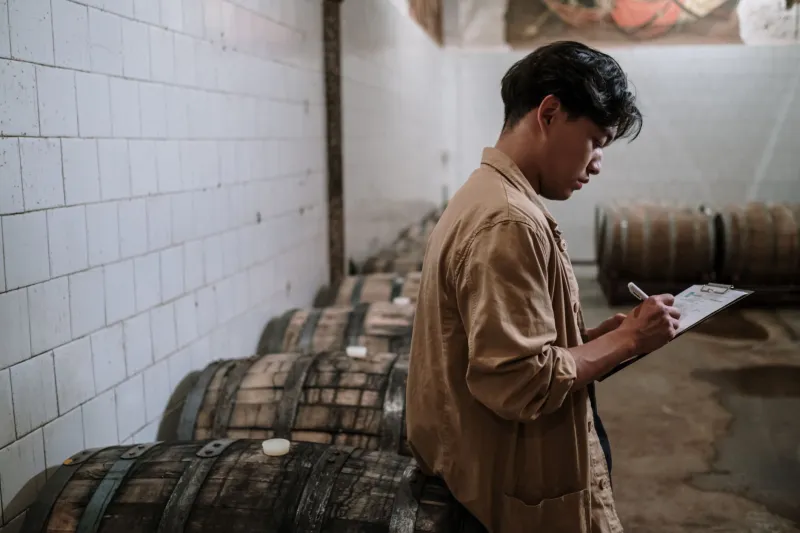
If the coolship is where wild fermentation starts, the barrel room is where it becomes art. Most serious sour programs rely heavily on wooden barrels — former bourbon, wine, or spirit vessels — to age their beers over months or years. The wood itself contributes flavor, allowing slow oxygen exchange that softens harsh edges and adds layers of vanilla, oak, and whatever the barrel previously held.
But wood also harbors microorganisms. Brettanomyces, a wild yeast strain often called "Brett" by brewers, lives in the porous grain of old barrels and contributes flavors that range from tropical fruit to leather to something that's genuinely hard to describe but impossible to forget. Brett is polarizing. Some people find it revelatory. Others find it off-putting. Most serious sour drinkers, eventually, come to love it.
"Brett is misunderstood," says Delray. "People hear 'barnyard' and they check out. But at the right level, in the right beer, it's like the difference between a young wine and a great aged one. It adds depth."
Blending is another tool that sets wild ale producers apart. Rather than releasing single barrels, many breweries spend months tasting from dozens of barrels and blending them together to hit a specific flavor target — or at least a general direction, since perfection isn't really the goal here. The process requires patience, a trained palate, and a genuine willingness to throw out batches that don't make the cut.
The Business of Unpredictability
For all its romance, sour beer is a genuinely difficult business proposition. Long aging timelines mean capital tied up in barrels for a year or more before a single dollar comes back. Spontaneous fermentation means some batches simply don't work out. And building a customer base for a product that challenges conventional taste expectations takes time.
Smaller breweries often offset costs by building sour programs alongside more commercially accessible offerings — a hazy IPA pays the bills while the barrel room does its slow, patient work. Others have gone all-in, betting that the growing audience for funky, complex beers is big enough to sustain a focused operation.
"We knew it wasn't going to be easy," says Nath. "But we also knew that if we made something truly honest — something that couldn't be replicated anywhere else — people would find it. And they did."
The community that's formed around sour beer helps. Dedicated festivals like the Rodenbach-inspired events that pop up in cities like Denver and Philadelphia draw thousands of enthusiasts willing to stand in line for a two-ounce pour of something rare. Online communities trade bottles across state lines. Brewers collaborate, share cultures, and swap barrel stock in ways that feel more like an informal guild than a competitive industry.
A Beer That Can't Be Faked
Maybe that's what makes sour and wild ales so compelling in a market crowded with trend-chasing and imitation. These beers are, by their very nature, impossible to fake. You can't rush spontaneous fermentation. You can't replicate the specific wild yeast floating through a Colorado mountain valley or a Hudson Valley orchard in October. You can't shortcut three years in a bourbon barrel.
The funkiest, most challenging beers in the craft world are also, in a very real sense, the most honest ones. They taste like a specific place, a specific time, and a very specific set of decisions made by people who cared enough to let something unpredictable happen.
That's worth a pucker or two.