No Fixed Address, No Problem: How Gypsy Brewers Are Rewriting the Rules of American Craft Beer
There's a certain romance to the idea of the brewery — the weathered taproom, the hops drying overhead, the head brewer who's been there since the beginning. But a new generation of beer makers is tearing up that postcard entirely. They show up with recipes, raw ingredients, and a handshake agreement. They brew, they bottle, they move on. And the beer they're making? It's genuinely exceptional.
This is gypsy brewing — or nomad brewing, if you prefer something that doesn't carry the cultural baggage — and it's one of the most quietly disruptive forces in American craft beer right now.
What Exactly Is a Gypsy Brewer?
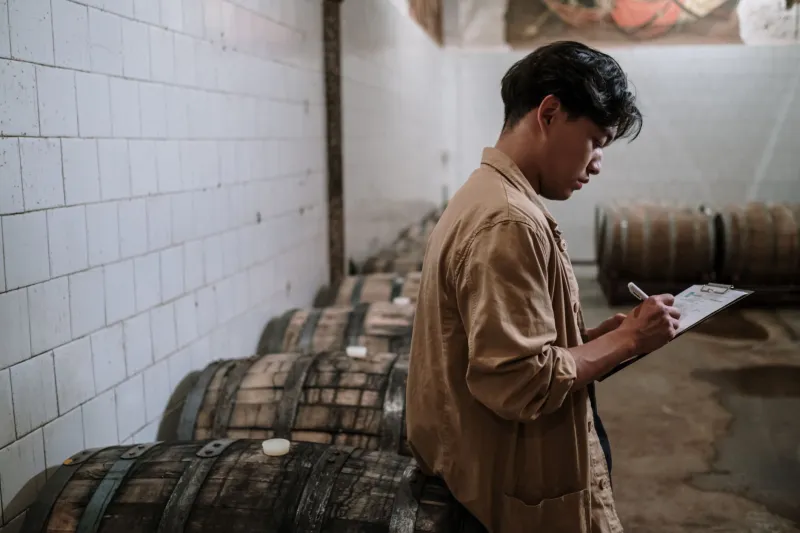
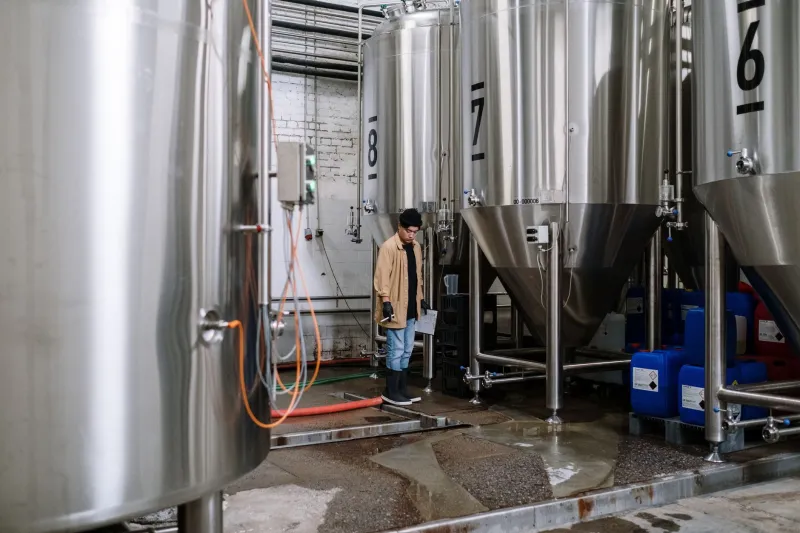
The concept is simple, even if the logistics aren't. A gypsy brewer, sometimes called a contract brewer or a tenant brewer, doesn't own their own production facility. Instead, they negotiate time and space at an established brewery — often one with excess capacity — and use that equipment to produce their own branded beers. Think of it like renting a commercial kitchen to run a catering company, except the kitchen happens to have a 30-barrel brewhouse and a glycol-chilled fermentation room.
What's evolved beyond that basic model, though, is something more communal. Across the country, small networks of these brewers are forming loose collectives — sharing knowledge, swapping ingredients, co-designing recipes, and bouncing between host facilities in different states. The result isn't just a beer; it's a collaboration that wouldn't exist any other way.
The Business Case for Not Owning Anything
Let's be honest: opening a brewery is expensive. Like, really expensive. Between equipment, real estate, licensing, and buildout, you're looking at anywhere from $250,000 to well over a million dollars before you've sold a single pint. For a lot of talented brewers — especially those coming up outside of major metro areas or without access to investor capital — that wall is simply too high.
Gypsy brewing sidesteps most of that. The upfront cost is dramatically lower, which means the barrier to entry drops enough that brewers from wildly different backgrounds can actually get in the game. A former homebrewer in rural Tennessee who's been perfecting a smoked porter for a decade can now bring it to market without mortgaging a future. A first-generation immigrant brewer in the Pacific Northwest with a vision for lager styles rooted in her family's regional traditions doesn't have to wait fifteen years to see it on a shelf.
That democratization is real, and it matters.
The Flavor Logic of Nomadic Beer
Here's where it gets genuinely interesting from a flavor standpoint. When a gypsy brewer works across multiple host facilities in different regions, they're not just borrowing equipment — they're absorbing place. Water chemistry changes from city to city. Local yeast strains float in through open fermentation. The ambient temperature of a warehouse in Asheville, North Carolina behaves differently than one in Milwaukee in February. These aren't bugs; for the best nomadic brewers, they're features.
Some collectives have started designing recipes specifically to exploit these regional variables. They'll brew the same base recipe at three different host facilities across the country, deliberately letting the local terroir push the beer in different directions. The result is a kind of living series — same name, same intent, genuinely different beer depending on where and when it was made. For the beer geek crowd, that's catnip. For the brewer, it's an ongoing experiment with no fixed endpoint.
The Host Brewery Relationship: Complicated, But Mostly Good
Not every established brewery is thrilled about the model. There are real tensions — questions about quality control, liability, brand association, and what happens when a tenant brewer's beer goes sideways and ends up reflecting poorly on the host facility. These aren't hypothetical concerns.
But plenty of host breweries have figured out that the arrangement is genuinely mutually beneficial. Excess capacity is a real problem in the industry right now; the post-pandemic shakeout left a lot of brewhouses running at 60 or 70 percent. Renting that space to a skilled nomadic brewer generates revenue without requiring additional staff or capital investment. And if the tenant's beer is good — which it often is — it can bring new eyes to the host brewery's own taproom and brand.
Some host-tenant relationships have evolved into full creative partnerships. The host brewer gets curious about what the visitor is doing, they start riffing together, and suddenly there's a collaboration beer that neither of them would have made alone. That's the version of this story that gets people excited, and it happens more than you'd think.
Building Community Without Walls
One of the stranger things about gypsy brewing collectives is how tight-knit they've become despite — or maybe because of — the lack of a physical home base. Without a taproom to anchor community, these groups have had to build it differently. Group chats, shared ingredient sourcing, regional meetups, collaborative tap takeovers at bottle shops and bars. It's a decentralized model that, paradoxically, often feels more connected than a traditional brewery's relationship with its regulars.
Some collectives have started hosting traveling tap events that move city to city, almost like a touring band. They roll into a local bar, pour their current lineup, talk through the brewing stories, and move on. Fans in multiple cities get to feel like part of something that isn't tethered to one ZIP code. For a generation of beer drinkers who've grown up consuming culture through screens and subscriptions rather than physical spaces, that model lands surprisingly well.
What This Means for the Future of Craft Beer
Gypsy brewing isn't going to replace the neighborhood taproom. That's not the point, and most nomadic brewers will tell you they're not trying to compete with brick-and-mortar operations — many of them aspire to eventually have a physical home, once the economics make sense. But the model is adding something that the traditional brewery structure genuinely couldn't provide: flexibility, experimentation, and access.
The best gypsy collectives operate like a jazz ensemble rather than a house band. They come together for a set, make something specific to that moment and that room, and then disperse. The music is better for the impermanence. So, sometimes, is the beer.
Next time you pick up a limited-edition bottle from a brand you've never heard of, brewed at a facility in a state you didn't expect, with flavors that don't quite fit any category you know — there's a decent chance a nomadic brewer made it happen. And there's an even better chance they're already halfway to the next town, planning the next batch.