Brewing Like It's 1347: The Medieval Fermentation Revival Reshaping Craft Beer
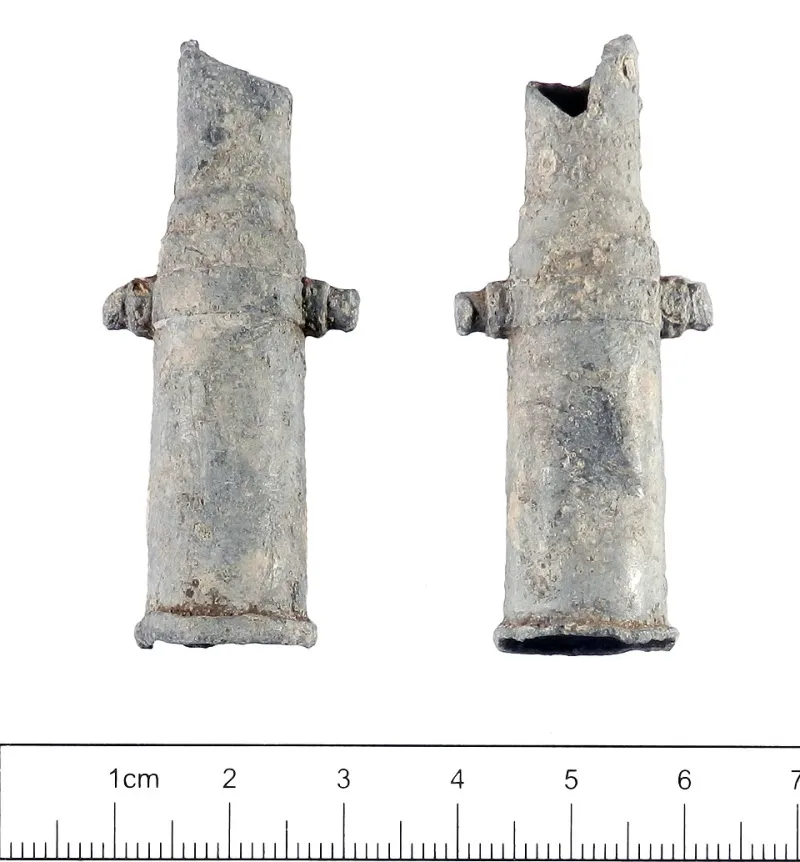
Photo: York Museums Trust, Ellie Cox, 2012-04-20 12:20:32, CC BY-SA 4.0, via Wikimedia Commons
There's a certain romance to the idea of brewing the way your great-great-great-great-grandmother might have — wooden paddles, clay pots, no thermometer in sight. But for a handful of American craft brewers, that romance has turned into a serious obsession, one that's producing some of the most complex, conversation-starting beers on the market right now.
The movement doesn't have an official name or a manifesto. It's more of a quiet excavation — brewers digging through historical texts, monastery records, and agricultural archaeology to pull out techniques that predate Louis Pasteur, the industrial revolution, and even the widespread use of hops. And while some of what they're finding is genuinely useful, some of it is, well, a little more romantic than practical.
Let's sort through it.
What "Medieval Brewing" Actually Means
First, a reality check. When people talk about medieval brewing techniques, they're usually referring to a loose cluster of practices that span roughly the 9th through 16th centuries in Europe — though fermentation itself goes back thousands of years further. The key characteristics that today's brewers find most interesting include the use of wild or ambient yeast, open-vessel fermentation, wooden barrel conditioning, and the use of gruit — herbal blends that predated hops as the primary bittering and preserving agent.
None of these are exotic concepts to the modern craft beer world. Wild fermentation is the backbone of the American sour beer scene. Barrel-aging is practically mainstream at this point. And gruit-style ales have been a niche curiosity for at least a decade. What's different now is the intentionality. Brewers aren't just borrowing one element for novelty — they're trying to reconstruct entire fermentation philosophies.
"There's a difference between using a wooden barrel and actually understanding why the monks used wooden barrels," says one Midwest brewer who's spent the better part of three years recreating a 12th-century Flemish ale. "When you start reading the primary sources, you realize they weren't working around limitations — they were working with their environment in ways we've completely forgotten."
The Wild Yeast Question
If there's one medieval technique that's proven its worth in a modern context, it's ambient or wild yeast fermentation. The Belgians never stopped doing it — Lambic producers in the Pajottenland region have been fermenting in open coolships for centuries, catching wild Brettanomyces and Lactobacillus strains on the night air. American brewers have been chasing that tradition for years now, with mixed results.
The key variable, it turns out, isn't just the yeast — it's the microbial terroir of the specific location. A coolship in rural Vermont is going to catch entirely different microbes than one in Portland, Oregon, or outside Kansas City. Medieval brewers didn't understand the microbiology, but they understood the geography. They knew which seasons produced better beer, which weather conditions led to spoilage, and which locations seemed to "bless" the fermentation.
That localized knowledge, passed down through generations, is exactly what's been lost — and exactly what some brewers are spending years trying to rebuild from scratch.
"You have to fail a lot," admits one Colorado brewer who's been experimenting with open fermentation for four years. "We lost probably forty percent of our early batches. But the ones that worked were unlike anything we'd made before. There's a depth to them that you just can't get from a packet of dry yeast."
Gruit: The Comeback Nobody Saw Coming
Before hops became the universal bittering agent in the late medieval period, brewers used gruit — a blend of herbs that varied by region and season. Common ingredients included yarrow, bog myrtle, wild rosemary, juniper, and various other foraged plants. The flavor profiles were wildly different from hopped beers: earthier, more medicinal, sometimes almost psychoactive (a few gruit herbs have mild narcotic properties, which historians note was not entirely accidental).
American craft brewers have been quietly reviving gruit for years, but the style has recently found a broader audience as drinkers look for alternatives to intensely bitter IPAs. Brewers who've cracked the gruit code tend to emphasize balance — these aren't just novelty herb beers, they're carefully calibrated fermentations where the bittering agents, the yeast character, and the base malt all have to work together.
The challenge is sourcing. Many traditional gruit herbs aren't commercially cultivated, which means brewers either grow their own or forge relationships with local foragers. That farm-to-fermentation pipeline is labor-intensive and expensive, which is why gruit ales tend to be small-batch, high-price offerings rather than flagship products.
What Doesn't Actually Work
Here's where we get honest. Not everything from the medieval fermentation playbook translates to a product modern drinkers want to consume.
Unpasteurized, unfiltered ales fermented in unsealed wooden vessels in an era before modern sanitation standards produced beers that were, by contemporary accounts, often sour, murky, inconsistent, and occasionally dangerous. The romance of "brewing without rules" glosses over the fact that medieval brewers dealt with constant contamination issues, stuck fermentations, and batches that turned to vinegar before they could be sold.
Some brewers get seduced by the aesthetic — the wooden paddles, the clay vessels, the candlelit cellar — without doing the hard technical work of understanding what actually created the flavor outcomes they're chasing. The result is often just an expensive, inconsistent mess.
The brewers who are genuinely succeeding at this are the ones who combine historical methods with modern analytical tools. They're using pH meters, microscopes, and temperature controls alongside their open vessels and foraged herbs. They're pulling the wisdom out of historical techniques while leaving the dysentery risk firmly in the past.
The 21st-Century Brew Monk
What's emerging from this movement is a new kind of brewer — part historian, part scientist, part forager. They're reading translated monastery brewing texts and then cross-referencing them with microbiology journals. They're reaching out to academic food historians and agricultural archaeologists. They're treating fermentation as a conversation with the past rather than a rejection of the present.
And the beers they're making are genuinely unlike anything else on the shelf. Complex, layered, occasionally challenging — but rewarding in a way that a straightforward lager or a by-the-numbers IPA simply can't be.
If you haven't tried a gruit ale, a farmhouse spontaneous fermentation, or a barrel-aged beer from a brewer who actually understands why the barrel matters, you're missing one of the most interesting chapters in American craft beer right now. It's not brewing like it's 1347. It's brewing because of 1347 — and there's a real difference.