Stave Chasers: The Brewers Going to Extraordinary Lengths to Find the Perfect Barrel
There's a moment that barrel-aged beer drinkers know well. You crack open a bottle, pour it slowly, and somewhere between the nose and the first sip, you taste something you genuinely can't name. Something woody and warm and slightly mysterious — like the beer has been somewhere you haven't. That flavor doesn't happen by accident. Nine times out of ten, it started with a phone call, a road trip, or a handshake deal between a brewer and someone who really, really knows wood.
Welcome to the world of barrel hunting — one of the most obsessive, expensive, and rewarding rabbit holes in all of craft brewing.
It's Not Just About Whiskey Anymore
For years, the barrel-aging conversation in American craft beer was pretty simple: bourbon barrels, full stop. Kentucky cooperages pumped them out, brewers snapped them up, and imperial stouts got rich and boozy and everyone was happy. That tradition isn't going anywhere. But a new wave of brewers is pushing well past the bourbon barrel default, sourcing timber that most people have never even considered putting beer inside.
Think Madeira casks from Portuguese wine estates. Apple brandy barrels from small New England distilleries. Acacia wood sourced from sustainable forestry operations in Eastern Europe. Even reclaimed chestnut barrels that once held Italian amaro. The variety is staggering, and the flavors that come out the other end are genuinely unlike anything a hop or a malt can produce on its own.
"Wood is an ingredient," says one Midwest brewer who's been aging farmhouse ales in a rotating cast of unconventional casks for nearly a decade. "People forget that. They think of the barrel as just a container. But you're extracting tannins, vanillins, lactones — the wood is actively doing something to your beer the whole time it's in there."
The Chemistry Behind the Stave
That "doing something" is worth unpacking, because the science is genuinely fascinating. When beer rests inside a wooden barrel, it's engaging in a slow chemical conversation with the wood itself. Oak — the most common cooperage material — contributes vanilla and caramel notes through compounds called vanillin and oak lactones. Toast level matters enormously too; a heavily charred barrel will push smokier, more caramelized flavors, while a lighter toast lets the natural wood character shine through.
But here's where it gets interesting for the barrel hunters. Different wood species have completely different chemical compositions. Mulberry, for instance, contributes a subtle fruitiness and a softer tannin structure than oak. Cherry wood adds a mild almond-like bitterness. Chestnut brings a drier, more austere quality that works beautifully with certain saisons and wild ales. Each species is essentially a different flavor toolkit, and brewers who understand the chemistry can use barrel selection almost like a seasoning decision.
The previous history of the barrel matters just as much as the wood species. A cask that once held a peated Scotch whisky will whisper smoke into anything aged inside it for years afterward. A rum barrel brings molasses and tropical sweetness. An amontillado sherry cask contributes oxidative, nutty complexity that's nearly impossible to replicate any other way. The barrel isn't neutral. It never was.
Finding the Good Stuff
So where do you actually find a mulberry barrel or a 30-year-old Madeira cask? That's the question that separates the casual barrel-agers from the true stave chasers.
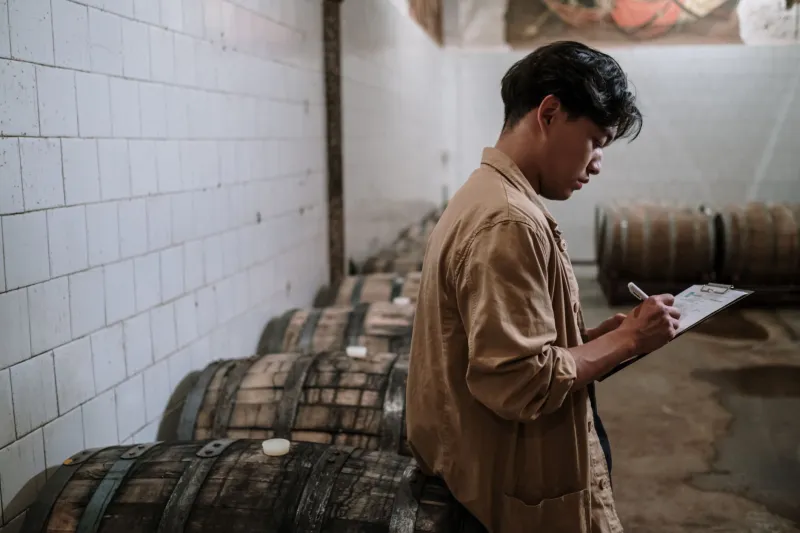
Some brewers work directly with specialty cooperages — small operations that are willing to custom-toast and assemble barrels from alternative species on request. A handful of these cooperages have developed real cult status in the craft beer world, known by brewers who trade their contact information like a secret handshake. Others source through importers who deal in used wine and spirits barrels from European estates, navigating customs paperwork and freight logistics to get their hands on casks that have never touched American soil.
And then there are the truly off-the-beaten-path finds. Brewers who've driven to apple orchards in Vermont to negotiate directly with cider makers for their spent barrels. Others who've connected with craft distilleries just two or three years into operation — too young to have a secondary market established — and struck deals to be first in line when barrels become available. The relationships are everything. This isn't a market you can fully navigate from behind a laptop.
"You have to go meet people," explains a Pacific Northwest brewer who's built a barrel program around sourcing from small regional distilleries. "The best barrels I've ever gotten came from someone I met at a food and beverage trade show who mentioned offhand that they had some rye whiskey casks they weren't sure what to do with. That's how it works."
When the Barrel Becomes the Brand
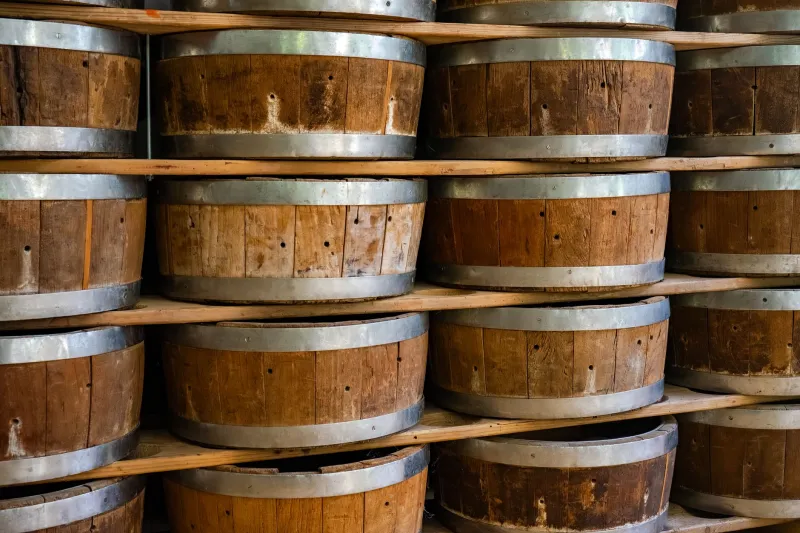
For some breweries, the barrel program isn't just a side project — it's the entire identity. These are the places with dedicated barrel cellars, tasting rooms lined with casks in various stages of aging, and annual releases that generate genuine waitlists. Their regulars don't just drink the beer; they follow the barrel sourcing decisions like collectors tracking provenance.
That cult following dynamic is real, and it's tied directly to the irreproducibility of the product. A beer aged in a specific 15-year-old Calvados barrel from a specific Norman estate, blended with a base ale fermented with a house wild yeast strain — that combination will literally never exist again once those bottles are gone. That scarcity isn't manufactured. It's just the nature of working with barrels that have their own histories and their own finite supply.
It also means that barrel hunters are, by necessity, always looking ahead. The best brewers in this space are thinking two or three years out, building relationships with distilleries and cooperages before they actually need the barrels, and sometimes aging wood speculatively — filling casks with beer before they know exactly what they want the finished product to be.
The Sustainability Question
It's worth noting that the push toward exotic and unusual wood raises real questions about sustainability and responsible sourcing. Not every species that makes interesting beer is one that should be harvested at scale, and the craft beer industry — for all its DIY ethos — isn't immune to supply chain blind spots.
The brewers doing this well are thinking carefully about where their wood comes from. Certified sustainable forestry sources, reclaimed cooperage from barrels that have already had long useful lives, and partnerships with domestic producers who can vouch for their sourcing practices. It adds another layer of complexity to an already complicated process, but it's a conversation the barrel-aging community is increasingly taking seriously.
A Beer That Tastes Like Somewhere Else
At the end of the day, what drives the barrel hunters isn't chemistry or commerce or even cult status. It's that ineffable quality of a beer that carries a story inside it — the ghost of the whiskey it once held, the wood of a tree that grew somewhere specific, the hands that cooperated it into shape. That flavor is the whole point of going off the beaten path in the first place.
Pour yourself something barrel-aged tonight. Take a second with it. There's a good chance someone drove a long way and made a lot of phone calls just to get that taste into your glass.